
Satisfies 1 requirement
High Quality Factory Wholesale Aluminium Profile Glass Sliding Door
US$90.00-230.00
1 Square Meter(MOQ)

I have found results from200000+products and80000+suppliers aboutAluminum profile door


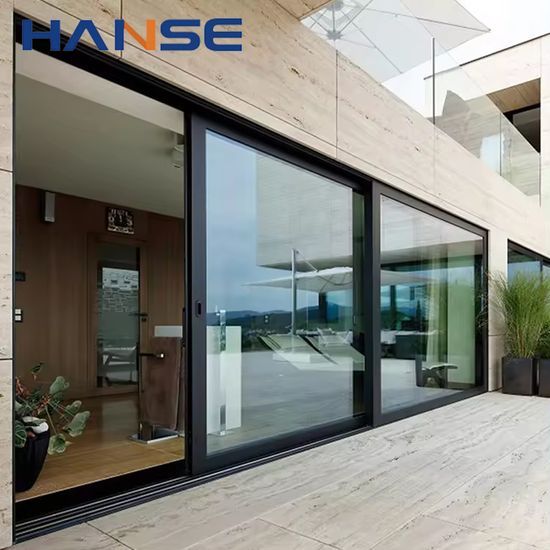


For most architectural applications, 6063-T5 or 6063-T6 aluminum alloy is the industry standard due to its excellent extrudability and surface finish. If the project requires higher structural strength for heavy-duty industrial doors, consider 6061-T6. Ensure the wall thickness meets local building codes, typically at least 1.4mm for windows and 2.0mm for heavy-duty sliding or swing doors to prevent warping.
The choice depends on the environment. Anodizing (minimum 15 microns) offers superior corrosion resistance for coastal areas. Powder coating provides a wide range of RAL colors and UV resistance, ideal for residential designs. For high-end luxury looks, Electrophoresis provides a smooth, mirror-like finish, while Wood Grain Heat Transfer is perfect for achieving a natural aesthetic without the maintenance of real wood.
To ensure energy efficiency, prioritize profiles with Thermal Break technology (Polyamide PA66 strips), which significantly reduces heat transfer. For soundproofing, look for doors compatible with double or triple glazing (5mm+12A+5mm). Verify that the supplier provides test reports for U-Value (thermal transmittance) and STC (Sound Transmission Class) ratings to meet international green building standards.
The longevity of an aluminum door depends on its hardware. Specify high-quality stainless steel hinges (304 or 316 grade) and multi-point locking systems for security. For sealing, EPDM gaskets are far superior to standard PVC as they maintain elasticity in extreme temperatures, ensuring the door remains airtight and watertight over decades of use.
Always request a Pre-Shipment Inspection (PSI) by a third-party agency like SGS or Intertek. For aluminum profiles, specifically check for surface scratches, color consistency across batches, and dimensional accuracy (tolerance within ±0.5mm). Ensure the supplier uses protective film on profiles and reinforced wooden crate packaging to prevent bending or denting during sea freight.
Verify if your country imposes Anti-Dumping Duties (ADD) on aluminum extrusions from specific regions, as this can significantly increase your landed cost. Ensure the supplier provides a Certificate of Origin and that the products comply with local standards such as CE (Europe), AS2047 (Australia), or NFRC (USA). Using Made-in-China.com’s Secured Trading services can help protect your payment until the shipping documents are verified.
Focus on Total Landed Cost rather than just the EXW price. Negotiate for tiered pricing based on tonnage or square meters, and ask for a 5-10% discount on bulk orders exceeding a 20GP container. For long-term projects, request fixed-price contracts for 6 months to hedge against the volatility of global aluminum ingot prices on the LME (London Metal Exchange).