
Satisfies 1 requirement
Factory Price Dx230 Dx260 Sy205c Sy245h Sy305h Building Construction Equipment Hydraulic Crawler Excavator with Doosan Digger
US$36,000.00
1 Piece(MOQ)

I have found results from300000+products and100000+suppliers aboutConstruction equipment excavator


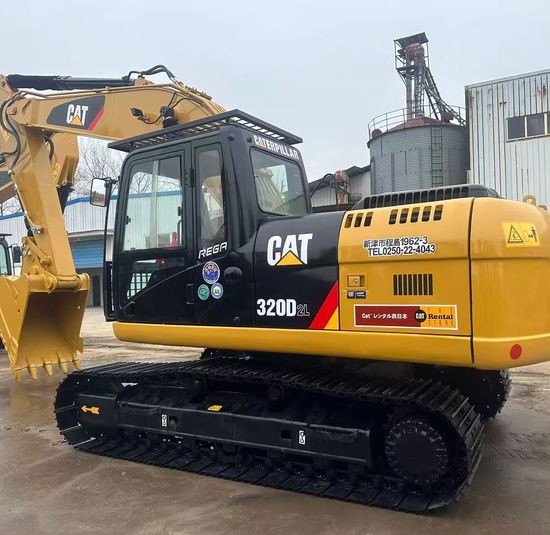


Selecting the correct size is critical for operational efficiency. Mini excavators (1-6 tons) are ideal for landscaping and urban utility work; Medium excavators (7-25 tons) serve general construction and roadwork; Large excavators (>25 tons) are required for heavy mining and major infrastructure. Always verify that the engine power (kW) and bucket capacity (m³) align with your specific soil density and workload requirements.
Ensure the machine meets EPA Tier 4 Final (US) or EU Stage V emission standards to avoid import rejection. Critical components should feature reputable brands, such as Kawasaki or Rexroth hydraulic pumps and Cummins or Yanmar engines. Verify CE marking for European markets and ISO 9001 certification for manufacturing quality management.
Request documentation on the steel grade used for the boom and arm (e.g., Q345B or high-strength alloys). Ask for the hydraulic system pressure ratings and cycle times. A high-quality excavator should feature reinforced undercarriage components and forged bucket linkages to withstand high-stress environments. Prioritize suppliers who provide third-party inspection reports from agencies like SGS or BV.
Reliable suppliers must provide a comprehensive spare parts list and a warranty of at least 12 months or 2,000 operating hours. Confirm the availability of English-language service manuals and technical support via video consultation. Check if the supplier offers wear-part kits (filters, seals, teeth) included in the initial purchase to minimize downtime during the first year of operation.
The biggest risks include non-compliance with local emission laws, which can lead to customs seizure, and shipping damage. To mitigate this, use Made-in-China.com's Secured Trading services to ensure payment is only released upon verification of shipping documents. Always insist on Marine Cargo Insurance covering 'All Risks' to protect your investment during transit.
Focus on the Total Cost of Ownership (TCO) rather than just the sticker price. Negotiate for free spare parts packages, extended warranties, or customized attachments (like hydraulic hammers or quick hitches) which have higher margins for the supplier but high value for you. For bulk orders of 3+ units, aim for a 5-10% price reduction or upgraded cabin features.
For smaller units, 40HC containers are most economical, though they may require partial disassembly. For large excavators, Frame Containers (Flat Rack) or Roll-on/Roll-off (Ro-Ro) shipping are necessary. Ensure the supplier uses anti-corrosion wax coating and secure steel wire lashing to prevent movement and saltwater damage during sea freight.
Conduct a factory audit or hire a local inspection agent to verify the production facility. On Made-in-China.com, prioritize Audited Suppliers who have undergone on-site verification. Use Letter of Credit (L/C) for large transactions or Telegraphic Transfer (T/T) with a staged payment schedule (e.g., 30% deposit, 70% after inspection but before shipment).