
Satisfies 1 requirement
Custom Size Non-Woven Lining Cotton Interfacing Fabric for Bags
US$0.50
1,000 Meters(MOQ)

I have found results from200000+products and100000+suppliers aboutCotton bag fabric


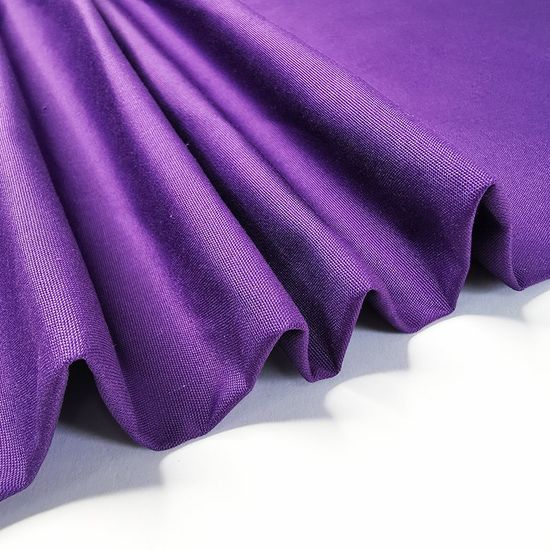


When evaluating cotton fabric for bag production, you must prioritize Fabric Weight (GSM) and Weave Type. For lightweight tote bags, a weight of 120-180 GSM is standard, while heavy-duty canvas bags require 300-450 GSM. Ensure the weave is tight and uniform (such as plain or twill) to prevent sagging. Additionally, verify the Yarn Count (e.g., 10s, 12s, or 21s); a lower number indicates a thicker, stronger thread suitable for industrial-strength bags.
To ensure market access and consumer safety, prioritize suppliers with OEKO-TEX® Standard 100 certification, which guarantees the fabric is free from harmful substances. If you are marketing 'organic' bags, the GOTS (Global Organic Textile Standard) is mandatory. For the US market, ensure compliance with CPSIA regarding lead content in dyes, and for the EU, verify REACH regulation adherence for chemical safety.
Request a Third-Party Lab Test Report focusing on three critical metrics: Tensile Strength (to ensure the bag won't tear under load), Colorfastness to Rubbing (to prevent dye transfer onto the user's clothes), and Shrinkage Rate (which should be less than 5% for pre-shrunk fabrics). Always order a Pre-production Sample (PPS) to check the 'hand-feel' and aesthetic consistency against your specifications.
To differentiate your product, consider requesting functional finishes such as Water-Repellent (DWR) coating, Anti-pilling treatment, or Anti-bacterial finishes. For eco-friendly branding, ask for Recycled Cotton (GRS certified). These additions can increase the perceived value and allow for a 15-25% price premium in retail markets.
Quality fade occurs when the bulk shipment is inferior to the approved sample. To prevent this, use Made-in-China.com's Secured Trading Services and hire a Third-Party Inspection (TPI) agency to conduct a During Production Check (DUPRO) and a Final Random Inspection (FRI). Never release the final 70% balance payment until the inspection report is approved.
Cotton is a commodity influenced by raw material fluctuations. Negotiate based on Current Market Cotton Indexes. For high MOQs (e.g., >5,000 meters), aim for a 10-15% volume discount. If you are a startup, look for suppliers on Made-in-China.com that offer 'Ready-to-Ship' fabrics with lower MOQs, even if the unit price is slightly higher, to preserve your cash flow.
Cotton fabric is highly susceptible to moisture and mold during sea transit. Insist that the supplier uses double-layer packaging (inner PE bag + outer woven bag) and places silica gel desiccant packets inside the rolls. For large volumes, FCL (Full Container Load) is safer than LCL to avoid cross-contamination from other goods' odors or leaks.
Be aware of Anti-Dumping Duties and specific trade barriers like the UFLPA (Uyghur Forced Labor Prevention Act) for US-bound goods, which requires strict Traceability Documentation (from fiber to finished fabric). Ensure your supplier can provide a Certificate of Origin and a complete Bill of Materials (BOM) to avoid customs seizures.