
Satisfies 1 requirement
China Factory Hydraulic Screening Bucket Attachment for 15 Ton Excavator
US$3,560.00
2 Pieces(MOQ)

I have found results from200000+products and60000+suppliers aboutExcavator attachment bucket


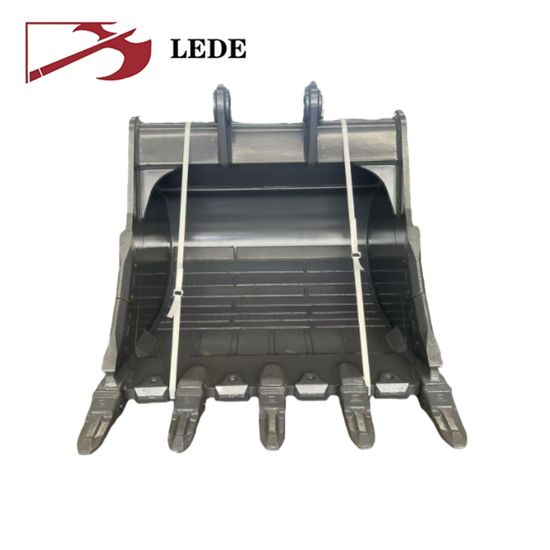
Selecting the correct bucket type is critical for operational efficiency. For loose soil or sand, a General Purpose (GP) Bucket is sufficient. For compacted clay or gravel, a Heavy-Duty (HD) Bucket with reinforced side plates is necessary. If you are working with shot rock or abrasive granite, you must specify an Extreme Duty (XDP) Bucket featuring Hardox 450/500 wear strips and shrouds to prevent premature structural failure.
You must verify three key dimensions: the Pin Diameter, the Dipper Gap (Width between ears), and the Pin Center-to-Center distance. Additionally, ensure the bucket capacity (measured in cubic meters or yards) aligns with your machine's operating weight and hydraulic lifting capacity to prevent tipping or accelerated wear on the boom cylinders. Always request a technical drawing for confirmation before production.
High-quality buckets should utilize Q355B steel for standard use or NM400/NM500 wear-resistant plates for critical contact points. Ensure the supplier follows AWS D1.1 structural welding standards. Look for ultrasonic flaw detection reports on major weld seams to guarantee there are no internal cracks or porosity that could lead to catastrophic failure under high breakout forces.
The teeth are the most frequently replaced parts. Prioritize suppliers offering forged teeth rather than cast teeth, as forging provides higher density and impact resistance. Check for standardized fitment (e.g., CAT or Komatsu style) so you can easily source replacement pins and teeth locally. Ask for the Rockwell hardness (HRC) rating; a range of 48-52 HRC is ideal for balancing hardness and toughness.
The main risks include dimensional mismatch and excessive shipping costs. Because these items are heavy, air freight is rarely viable. Ensure the supplier provides a pre-shipment inspection report including physical measurements with a caliper. To mitigate quality risks, use Made-in-China.com's Secured Trading services to ensure payment is only released upon verification of shipping documents.
For customized widths or specialized teeth configurations, suppliers usually require an MOQ of 1-2 units. Negotiate based on Total Landed Cost. Ask for a volume discount (typically 5-10%) if ordering a full container load (FCL), as this significantly reduces the per-unit sea freight cost compared to Less than Container Load (LCL) shipments which incur high port handling fees.
Excavator buckets are prone to surface rust during long sea voyages. Insist on anti-rust primer coating and secure packaging using steel pallets or heavy-duty wooden crates that are ISPM-15 compliant. Ensure the buckets are properly lashed within the container to prevent movement that could damage the container walls or the bucket's ear plates during transit.
Verify the HS Code (typically 8431.41) with your local customs broker to determine the exact import duty and any anti-dumping duties that may apply in your region (e.g., EU or US). Ensure the supplier provides a Certificate of Origin (CO), which may allow you to benefit from Preferential Trade Agreements and reduce your tax burden.