
Satisfies 1 requirement
Halal BRC Tomato Flavor Coated Crispy Roasted Peanut for Bulk Wholesale
US$1.80
1,000 kg(MOQ)

I have found results from2000+products and700+suppliers aboutFlavor coated peanut


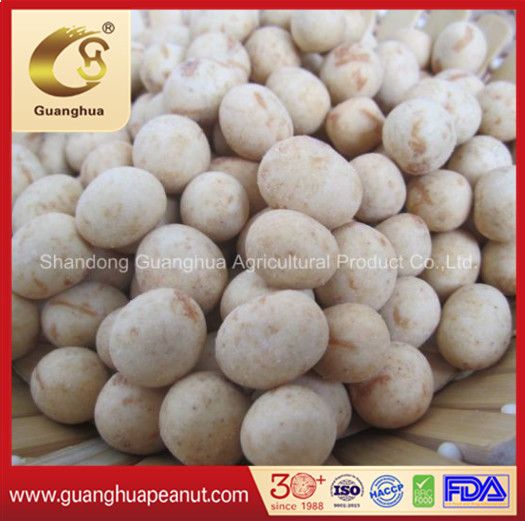


When evaluating flavor coated peanuts, focus on the coating-to-nut ratio, which typically ranges from 25% to 40% depending on the desired crunch. Ensure the peanuts used are Grade A kernels with a uniform size (e.g., 24/28 or 28/32 counts per ounce). The moisture content must be strictly controlled below 3% to maintain crispness and prevent mold growth. Additionally, verify the roasting method (oil-fried vs. dry-roasted) as it significantly impacts the shelf life and caloric profile.
For cross-border trade, suppliers must hold HACCP and ISO 22000 certifications to ensure food safety management. If exporting to the US, FDA registration and compliance with the FSMA (Food Safety Modernization Act) are required. For the EU market, products must meet EFSA standards, specifically regarding Aflatoxin limits (typically <4 μg/kg). For specific markets, Halal or Kosher certifications can significantly expand your consumer base.
Request a stability test report to confirm the coating does not peel or become sticky under humid conditions. The use of modified starch or wheat flour as a binder affects the texture; ensure the supplier uses non-GMO ingredients if required by your brand. The shelf life should be at least 10–12 months, achieved through nitrogen-flushed packaging and the inclusion of oxygen absorbers to prevent lipid oxidation (rancidity).
Professional manufacturers on Made-in-China.com offer extensive customization. You should inquire about bespoke flavor development (e.g., Wasabi, Sriracha, or Honey Butter) and private label packaging options such as stand-up pouches, tin cans, or bulk vacuum bags. Ask if they can adjust the sodium and sugar levels to meet specific health-conscious market requirements.
The primary risk is Aflatoxin contamination, a toxic byproduct of mold. You must require a Certificate of Analysis (COA) for every batch and consider a third-party pre-shipment inspection (such as SGS or Intertek) to conduct random sampling. Failure to meet destination country limits can lead to total shipment destruction at customs.
Peanuts are sensitive to temperature and humidity. Negotiate for cool, dry storage during transit. For long-haul sea freight, use reefer containers if traveling through tropical zones to prevent oil seepage from the coating. Ensure the Incoterms clearly define who bears the risk of spoilage during delays; CIF or DAP terms are often preferred for buyers new to food logistics.
Always use Secured Payment services provided by platforms like Made-in-China.com to ensure funds are only released after proof of shipping. Before placing a bulk order, order a paid sample from the mass production line, not a hand-made lab sample, to verify the actual quality you will receive.
Labeling is a major cause of customs rejection. Ensure the supplier provides accurate ingredient lists in the target language, clearly highlighting allergens (Peanuts, Wheat, Soy) in bold. Verify that nutritional facts panels comply with local formats (e.g., the specific layout required by the FDA vs. the EU's per-100g requirement).