
Satisfies 1 requirement
Front End Used Best Small Bobcat S300 S185 S450 Jcb Backhoe Excavator Wheel Mini Skid Steer Loader for Sale
US$13,500.00-45,000.00
1 Piece(MOQ)

I have found results from20000+products and10000+suppliers aboutJcb wheel loader


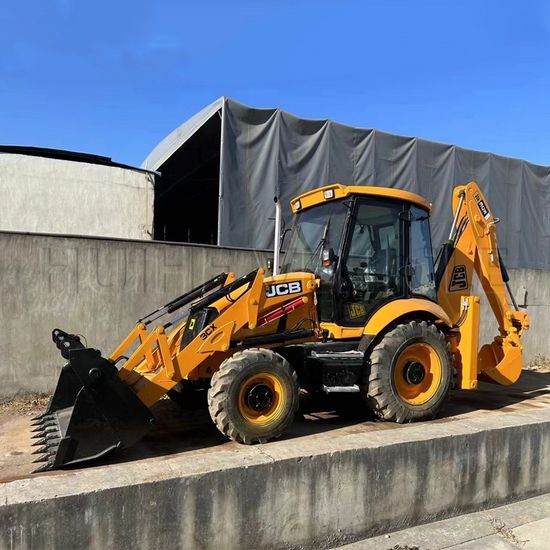


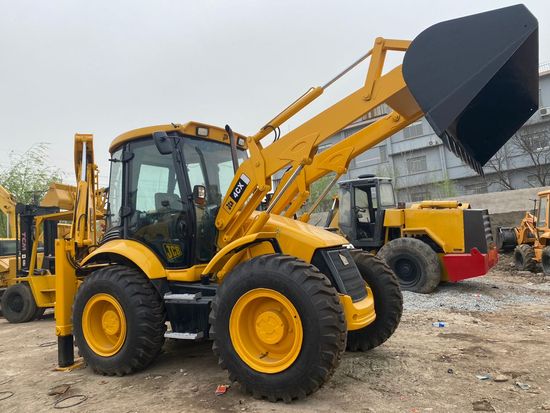


When selecting a wheel loader, you must prioritize the rated load capacity (typically ranging from 1 to 6 tons for construction) and the engine power/brand (e.g., Cummins, Weichai, or Perkins) to ensure it meets your operational demands. Pay close attention to the maximum dumping height and bucket capacity to ensure compatibility with your transport trucks. Additionally, verify the hydraulic system pressure and cycle times (lifting, dumping, lowering) as these directly impact work efficiency on-site.
For the US market, the engine must meet EPA Tier 4 Final emission standards. For the European Union, CE certification and Stage V emission compliance are mandatory. Globally, ensure the machine's cabin meets ROPS (Roll-Over Protective Structure) and FOPS (Falling Object Protective Structure) ISO standards to guarantee operator safety. Always request ISO 9001 quality management certificates from the manufacturer to ensure production consistency.
Examine the chassis thickness and the quality of robotic welding on the boom and front frame. High-quality loaders utilize thickened manganese steel for the bucket to resist abrasion. In terms of technology, look for features like pilot hydraulic control for precision, automatic leveling functions, and integrated diagnostic dashboards that simplify maintenance and reduce downtime.
For construction and earthmoving, a standard long-boom configuration is ideal. For agricultural use (e.g., silage or grain handling), consider a loader with quick-change attachments like pallet forks or grass grapples. If working in confined spaces or warehouses, look for articulated steering models with a small turning radius to ensure maneuverability.
Always use secure payment methods such as Letters of Credit (L/C) or trade assurance services provided by reputable platforms like Made-in-China.com. It is highly recommended to hire a third-party inspection agency (like SGS or BV) to conduct a Pre-Shipment Inspection (PSI). This ensures the machine's specifications, engine serial numbers, and functional performance match the Proforma Invoice before the final balance is paid.
Focus on the Total Cost of Ownership (TCO) rather than just the sticker price. Negotiate for a comprehensive spare parts package (filters, seals, and wear parts) to be included for the first 2,000 hours of operation. Additionally, discuss warranty extensions on core components like the engine and transmission, and ask for volume discounts if you plan to order more than 3 units.
Due to their size, loaders are typically shipped via Ro-Ro (Roll-on/Roll-off) or Flat Rack containers. Ensure the supplier applies anti-corrosion wax to all exposed hydraulic cylinders and metal surfaces to prevent sea salt damage. Confirm that the Incoterms (e.g., FOB vs. CIF) are clearly defined, and ensure the cargo is covered by comprehensive marine insurance that includes loading and unloading risks.
Before purchasing, confirm if the supplier has a local service partner or if they can provide technical support via video link. Verify that the engine and hydraulic components are from global brands (like Rexroth or Kawasaki) so that replacement parts can be sourced locally. Request a detailed English-language service manual and a complete illustrated parts catalog with every machine.