Satisfies 1 requirement
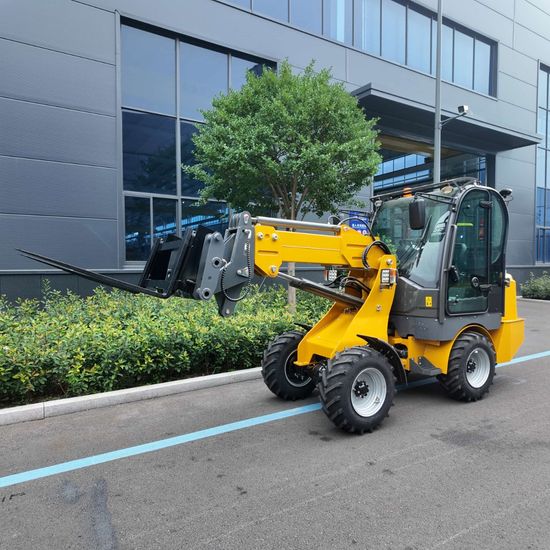
CE Mini Electric Loader Hydraulic Earthmoving Machinery Loader 4WD Boom Compacted Small Telescopic Wheel Loader
US$8,369.00-8,520.00
1 Set(MOQ)

I have found results from20000+products and9000+suppliers aboutMini telescopic boom loader


Buyers should prioritize the rated load capacity (typically 800kg to 1500kg for mini models) and the maximum lifting height, which is the primary advantage of the telescopic arm. Ensure the engine meets local emission standards, such as Euro V or EPA Tier 4, to guarantee legal operation. Additionally, check the hydraulic system flow rate to ensure compatibility with various attachments like pallet forks, snow blades, or grapples.
It is critical to confirm that the loader is equipped with ROPS (Roll-Over Protective Structure) and FOPS (Falling Object Protective Structure) certified cabins. For the European market, a CE Declaration of Conformity is mandatory. You should also request load chart data to understand how the lifting capacity decreases as the boom extends, ensuring the machine remains stable during operation.
Mini telescopic loaders are ideal for agriculture (stacking hay), landscaping, and narrow construction sites where vertical reach is needed but space is limited. Their articulated steering reduces ground damage compared to skid steers, making them better for turf management and finished surfaces. The telescopic boom allows for single-side loading of trucks, significantly increasing operational efficiency.
Focus on the telescopic arm slide pads; they should be made of high-wear-resistant materials and be easily adjustable. Ensure the machine features centralized lubrication points to simplify daily maintenance. Buyers should also verify the availability of common wear parts (filters, seals, and hydraulic hoses) and confirm if the supplier provides detailed English service manuals and exploded-view parts catalogs.
Always arrange for a third-party pre-shipment inspection (PSI). On platforms like Made-in-China.com, you can utilize secured payment services that hold funds until the shipping documents are verified. Request a video walk-around and functional test of the specific unit being shipped, including a demonstration of the hydraulic pressure under load.
For cost-efficiency, mini loaders are often shipped in 40HC containers (multiple units) or via Flat Rack/LCL for single units. Ensure the supplier uses heavy-duty steel wire and chocks to secure the machine inside the container. Confirm the Incoterms clearly; CIF (Cost, Insurance, and Freight) is common, but FOB (Free On Board) gives the buyer more control over the shipping timeline and local port charges.
Negotiate for a 12 to 24-month warranty on major components (engine, pump, and valves). Since sending a technician overseas is costly, insist on a spare parts package (worth 2-3% of the machine value) to be included in the initial shipment. Establish a clear protocol for remote technical support via video call to troubleshoot hydraulic or electrical issues.
Check your country's import tariffs and anti-dumping duties specifically for Chinese construction machinery. Ensure the HS Code (typically 8429.51) is correctly declared to avoid customs delays. Additionally, verify if your region requires specific noise emission labels or safety warning decals in the local language to pass customs clearance.