
Satisfies 1 requirement
Modern Modular 20FT/40FT Prefabricated Miniature Glass Mobile Office Ready-Made Kit Set Cabin Portable Expandable House for Bedroom Use
US$4,350.00-5,000.00
1 Pieces(MOQ)

I have found results from10000+products and4000+suppliers aboutMiniature house


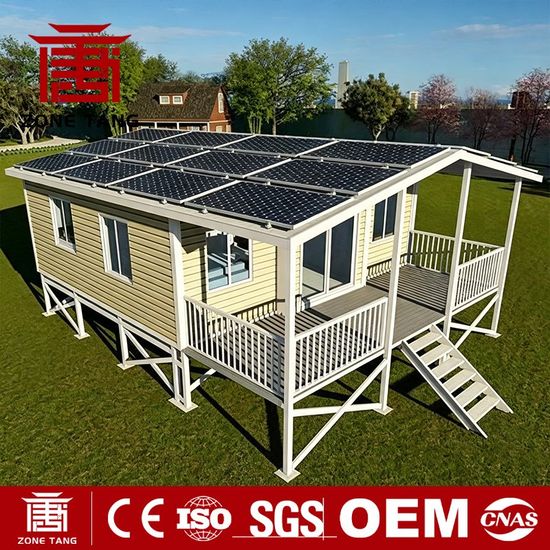


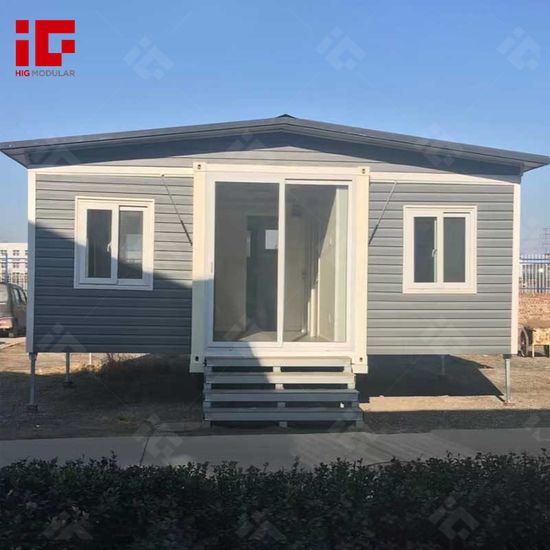


When sourcing miniature houses, prioritize non-toxic, eco-friendly materials. The wood components should be FSC-certified to ensure sustainable sourcing and prevent warping. For plastic parts, ensure they are BPA-free. High-quality kits typically use precision laser-cutting technology for wooden sheets, ensuring a margin of error of less than 0.05mm for seamless assembly. Additionally, check that the pigments and glues included meet international safety standards like EN71-3.
Miniature houses are often classified as toys or decorative collectibles. For the US market, compliance with ASTM F963 and CPSIA (Consumer Product Safety Improvement Act) is mandatory. For the EU market, products must carry the CE Mark and comply with EN71 standards. If the kit includes LED lighting or electrical components, it must also meet RoHS and EMC requirements to ensure electronic safety and environmental compatibility.
Professional buyers should request the instruction manual in the target language (e.g., English, Spanish) to verify clarity. Evaluate the estimated assembly time (typically ranging from 10 to 40 hours) to categorize products for 'Beginners' or 'Advanced Hobbyists'. Ensure the supplier provides 3D exploded view diagrams and check if spare parts for fragile components are included in the standard package to reduce customer complaints.
Look for suppliers capable of customizing packaging (color boxes with your brand logo) and modifying interior themes. Advanced suppliers offer UV printing on wooden surfaces for detailed textures. Ensure the manufacturer can provide CAD/SolidWorks design support if you intend to develop exclusive architectural styles. A professional supplier should offer a prototype lead time of 7-15 days for custom designs.
Miniature houses contain fragile wooden sheets and delicate accessories. Insist on 5-layer corrugated export cartons and shrink-wrapping for individual retail boxes. Request drop tests (ISTA 1A or 2A) reports from the supplier. For bulk sea freight, use pallets with corner protectors to prevent crushing, as damaged retail packaging significantly reduces the resale value.
Many logistics providers classify liquid glue and lithium batteries as 'sensitive goods' or 'hazardous materials.' To avoid customs seizures or high shipping surcharges, ask the supplier to provide a Material Safety Data Sheet (MSDS). Alternatively, many experienced buyers choose to exclude glue and batteries from the kits and source them locally, or use specialized sensitive-line logistics via platforms like Made-in-China.com.
Focus on the Sample-to-Order conversion. Negotiate for the sample fee to be refunded upon the first bulk order. For long-term partnerships, aim for a 30% deposit and 70% balance payment against the Bill of Lading (B/L). If purchasing during peak seasons (Q3 for Christmas), secure a guaranteed production slot in writing to avoid delays caused by the high demand for hobby products.
Utilize the Audit Reports available on Made-in-China.com, which verify the factory's production capacity, business license, and quality control systems. Conduct a video factory audit to inspect their laser-cutting machinery and assembly lines. Prioritize suppliers with ISO 9001 certification and those who have experience exporting to your specific target region.