
Satisfies 1 requirement
2800kg 3800kg Self Weight China Manufacturer Sale Crawler Wheel Skid Steer Loader 50HP 73HP Rubber Track Front Loader
US$22,600.00-26,500.00
1 Piece(MOQ)

I have found results from100000+products and60000+suppliers aboutSelf loader


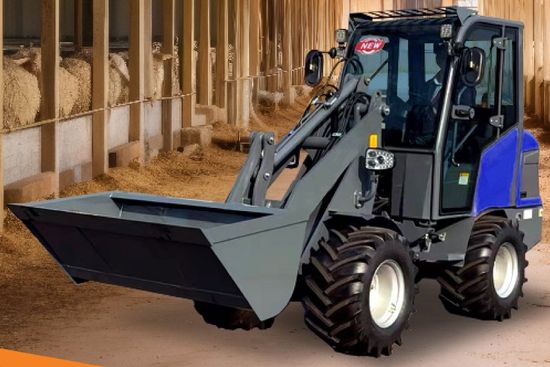
Selecting a self loader requires balancing engine power, load capacity, and maneuverability. For construction, prioritize 4x4 wheel drive systems and articulated steering to navigate rough terrain. For logistics, focus on lifting height and battery/fuel efficiency. Always verify that the hydraulic system components (pumps and valves) are from reputable brands to ensure long-term reliability.
Buyers must ensure the equipment meets CE marking (for Europe) or ANSI/ITSDF standards (for the US). Key specs include rated load capacity (e.g., 1.2 to 4.0 cubic meters for mixers), climbing gradient (typically ≥30%), and discharge height. Ensure the engine complies with local emission standards, such as Euro V or EPA Tier 4, to avoid import rejection.
Request a video of the load-bearing test and check the thickness of the steel plate used in the chassis and mixing drum (high-strength Q345B steel is preferred). Inspect the welding quality for consistency and ask for third-party inspection reports (SGS or TUV). A high-quality self loader should offer a warranty of at least 12-24 months on core components like the engine and transmission.
Self loaders are essential for remote infrastructure projects, urban road repairs, and small-to-medium building sites where a batching plant is unavailable. Their primary advantage is integrating loading, mixing, and transport into one machine, which reduces labor costs by up to 50% and eliminates the need for auxiliary equipment like loaders or generators.
The biggest risks include shipping damage, non-compliance with local road regulations, and lack of local after-sales parts. To mitigate this, use Made-in-China.com's Secured Trading services to protect your payment until the goods are verified. Ensure the supplier provides a detailed packing list of wearing parts (filters, seals, fuses) to be shipped with the machine.
Focus on the Total Cost of Ownership (TCO) rather than just the sticker price. Negotiate for free spare parts kits, extended warranties, or on-site technical training via video link. For orders of 3 units or more, aim for a 5-10% discount or an upgrade to premium hydraulic components at no extra cost.
Self loaders are typically shipped via Flat Rack containers or RO-RO (Roll-on/Roll-off) vessels to prevent structural damage. Ensure the supplier applies anti-rust wax coating for sea transit. Confirm the Incoterms (FOB or CIF) clearly; for heavy machinery, CIF is often preferred for novice buyers as the supplier handles the complex insurance and freight arrangements to your destination port.
Always verify if the supplier is an Audited Supplier on Made-in-China.com, which confirms their factory existence and production capacity. Avoid direct wire transfers to private accounts; use official corporate accounts and request a Proforma Invoice (PI) that clearly states the machine's engine number, chassis number, and specific configurations.