
Satisfies 1 requirement
20FT 40FT Gp Hq Type Shipping Container Door Locking Device
US$24.00
10 Sets(MOQ)

I have found results from200000+products and100000+suppliers aboutShipping container doors


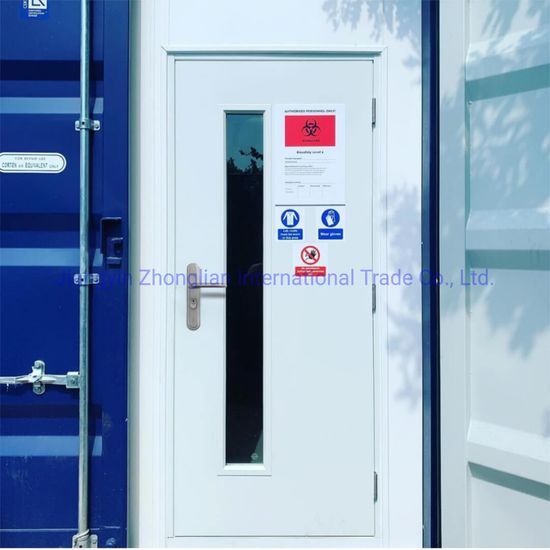


When selecting container doors, the most critical factor is material thickness and steel grade. Standard high-quality doors use Corten steel (SPA-H) for superior corrosion resistance. You must verify the panel thickness (typically 1.6mm to 2.0mm) and ensure the locking bar assembly is made of galvanized steel to prevent rust. Additionally, check the EPDM rubber seal quality, as this ensures the container remains watertight and airtight (WWT standard).
For B2B buyers, compliance is non-negotiable. Ensure the doors are manufactured according to ISO 1496 standards for freight containers. If the doors are for repair or new builds intended for international transit, they must be capable of passing CSC (Convention for Safe Containers) certification. Always request mill test certificates and third-party inspection reports (such as BV or ABS) to validate structural integrity and welding quality.
While primarily used for intermodal logistics, there is a growing market for container architecture (offices, cafes, and modular housing). For industrial use, focus on heavy-duty security features. For architectural use, you may require pre-installed insulation frames or personnel door-in-door configurations. Ensure the supplier can provide custom dimensions if you are not using standard 20ft or 40ft GP/HQ specifications.
The hardware is the most frequent point of failure. Prioritize hot-dip galvanized locking gear over electro-galvanized options for better longevity. The hinge pins should be stainless steel or high-grade treated steel to prevent seizing. Ask for salt spray test results (e.g., 500+ hours) if the containers will be used in coastal or marine environments to ensure the finish won't degrade.
The main risks include shipping damage (warping or bending) and surface oxidation. Because these are heavy, high-volume items, sea freight is the only economical choice. Ensure the supplier uses reinforced steel pallets and moisture-proof wrapping. To mitigate financial risk, use Trade Assurance or Letters of Credit (L/C), and consider a pre-shipment inspection to verify that the dimensions match your technical drawings exactly.
When negotiating, focus on the Total Cost of Ownership (TCO) rather than just the unit price. Request tiered pricing based on volume (e.g., 50 sets vs. 200 sets). Since steel prices fluctuate, ask for a price validity period (usually 15-30 days). You can often negotiate free spare parts, such as extra rubber gaskets or hinge washers, which add significant value to your maintenance inventory.
Container doors are heavy and classified under specific HS Codes (typically 7308.30). Verify the import duties and anti-dumping duties in your specific country for Chinese steel products. For shipping, FOB (Free On Board) is recommended if you have a reliable freight forwarder, as it gives you better control over the demurrage and detention costs at the destination port.
Look for 'Audited Suppliers' on Made-in-China.com, as these companies have undergone on-site verification. Check if they have ISO 9001 certification and a history of exporting to major shipping lines or container leasing companies. A credible supplier should be able to provide detailed CAD drawings for approval before production begins to ensure technical alignment.