
Satisfies 1 requirement
Small Excavator Crawler Agricultural Orchard Greenhouse Digging Machine for Sale
US$4,500.00-10,000.00
1 Set(MOQ)

I have found results from200000+products and50000+suppliers aboutSmall digging machine


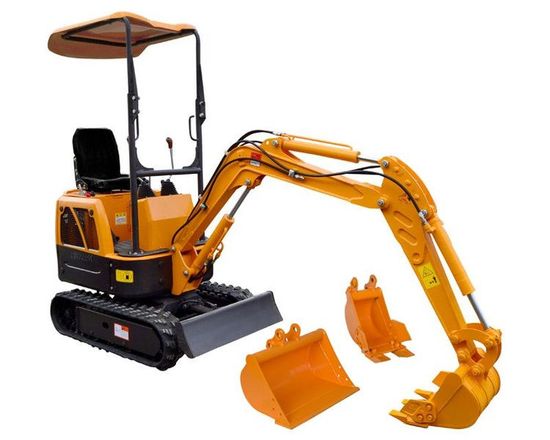


When selecting a mini excavator, prioritize the operating weight (typically 0.8 to 3.5 tons) and digging depth to ensure it meets your project needs. Check for reputable engine brands like Kubota, Yanmar, or Perkins, which offer global parts availability. Pay close attention to the hydraulic system pressure and pump flow rate, as these determine the machine's breakout force and cycle speed. Additionally, verify if the machine features a swing boom or expandable tracks for working in confined spaces.
For the European market, the machine must have a CE Certification and meet Stage V emission standards. For the North American market, EPA Tier 4 Final compliance is mandatory for diesel engines. Ensure the cabin or canopy meets ROPS (Roll-Over Protective Structure) and FOPS (Falling Object Protective Structure) ISO standards to guarantee operator safety. Always request test reports for noise levels and vibration to ensure alignment with local environmental regulations.
Request high-definition videos of the welding quality on the boom and arm; look for smooth, consistent beads without porosity. Inquire about the thickness of the steel plates used in the chassis. Ask the supplier for the brand of the main valve and motor—components from brands like Eaton, Nachi, or Rexroth indicate a higher quality tier. Furthermore, confirm the use of hardened bushings and pins at pivot points to prevent premature wear and play in the linkage.
0.8 - 1.2 ton models are ideal for indoor renovation, basement work, and private gardening due to their narrow width. 1.5 - 2.5 ton models are the 'sweet spot' for utility trenching, landscaping, and small construction sites, offering a balance of power and transportability. 3.0 - 3.5 ton models are preferred for heavy-duty landscaping and municipal maintenance where higher lifting capacity and deeper digging are required.
Small digging machines are typically shipped via LCL (Less than Container Load) in steel crates or FOB/CIF in 20ft/40ft containers. Ensure the supplier uses heavy-duty wire rope or professional strapping to secure the machine to the container floor. Request that the hydraulic cylinders be retracted and greased to prevent corrosion during sea transit, and verify that the battery is disconnected according to international maritime dangerous goods (IMDG) protocols.
The primary risk is 'specification mismatch' where the received engine does not meet local emission laws. Mitigate this by using Made-in-China.com's Secured Trading services to hold payment until shipping documents are verified. Conduct a pre-shipment inspection (PSI) through third-party agencies like SGS or Intertek to verify the Engine Serial Number and functional performance. Always clarify the warranty scope, specifically whether it covers only parts or includes air freight costs for replacement components.
Focus on the Total Cost of Ownership (TCO) rather than just the sticker price. Negotiate for a 'wear-parts package' (filters, seals, teeth) to be included in the initial price, which adds significant value. If ordering multiple units, request custom branding (OEM) and a discount on the sample unit to be applied to the bulk order. For long-term partnerships, discuss exclusive dealership rights for your region based on hitting annual sales targets.
Prioritize Audited Suppliers on Made-in-China.com, as these companies have undergone on-site verification of their manufacturing capabilities. Check the supplier's business license and export qualifications to ensure they are a factory rather than a small trading company. Use Escrow-based payment methods and avoid direct wire transfers to private accounts. Verify the supplier's participation in major trade shows (like Bauma or Canton Fair) as a sign of industry established presence.