
Satisfies 1 requirement
Modern Living Room Solar Indoor LED Ceiling Light Down Lights Decorative Ceiling Lamp in White Black Gray Downlights
US$3.05-5.01
10 Pieces(MOQ)

I have found results from50000+products and20000+suppliers aboutSolar indoor lamp


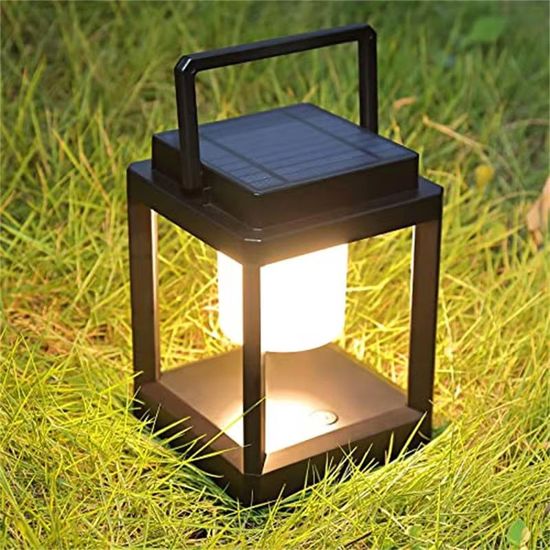


Buyers must prioritize Luminous Efficacy (lm/W) and Battery Capacity (mAh). Ensure the lamp uses Lithium Iron Phosphate (LiFePO4) batteries, which offer over 2,000 charge cycles, significantly outperforming standard Lithium-ion. For indoor use, the Solar Panel Conversion Efficiency should be at least 19-22% (Monocrystalline Silicon) to ensure charging even in low-light conditions near windows. Additionally, verify the Color Rendering Index (CRI) is above 80 to ensure visual comfort in residential or office settings.
Compliance is non-negotiable for cross-border trade. You must verify CE, RoHS, and FCC certifications for electronic safety and hazardous substance restriction. For the North American market, UL or ETL listing is preferred. Since these products contain batteries, ensure the supplier provides UN38.3 test reports and MSDS (Material Safety Data Sheet) to facilitate legal and safe international shipping.
Modern buyers look for Smart Control Integration, such as Tuya or Zigbee compatibility, allowing for mobile app dimming. Dual-charging modes (Solar + USB-C) are highly recommended to ensure reliability during rainy seasons. Furthermore, look for models with PIR Motion Sensors and Adjustable Color Temperatures (3000K-6000K) to increase product versatility across different usage scenarios like emergency lighting, sheds, or off-grid cabins.
Request IP (Ingress Protection) ratings; even for indoor lamps, an IP44 or higher is ideal if used in kitchens or humid environments. Ask for Salt Spray Test reports for the housing materials to prevent corrosion. The LED chip brand (e.g., Bridgelux or Osram) should be confirmed, as high-quality chips maintain L70 brightness levels for over 50,000 hours.
The main risk involves Dangerous Goods (DG) classification. Products with built-in batteries are often flagged during customs inspection. To mitigate this, work with suppliers on Made-in-China.com who have experience in DG packaging and can provide Sea/Air Freight Identification Reports for Goods Transport. Failure to provide these can lead to shipment seizures or heavy fines at the port of entry.
Focus on Tiered Pricing based on volume. For solar products, the cost of the Solar Panel and Battery accounts for 60-70% of the total price. Negotiate a 5-10% discount for orders exceeding 1,000 units. If you are a startup, look for suppliers offering Low MOQs (e.g., 10-50 units) for initial market testing, but ensure the Unit Price includes basic OEM branding (logo printing) to build your brand equity from the start.
Always utilize Secured Payment Services provided by reputable platforms like Made-in-China.com to ensure your funds are protected until the goods are shipped. Conduct a Pre-shipment Inspection (PSI) through a third-party agency to verify that the battery capacity and brightness match the approved samples. Never transfer full payments via unprotected channels before Quality Control (QC) validation.
Be aware of Anti-dumping duties and Section 301 tariffs (specifically for US buyers) that may apply to solar-related products originating from certain regions. Check the HS Code (typically 9405.41) against your country's tariff schedule. Choosing a supplier with a Certificate of Origin (Form A or Form E) can often help in reducing or exempting Import Duties under various Free Trade Agreements.