
Satisfies 1 requirement
Outdoor Light Lamp Waterproof 50LED Solar Rope Tube Lights LED String Strip for Decorative Xmas Christmas Wedding Party Garden
US$1.60-3.20
10 Pieces(MOQ)

I have found results from30000+products and10000+suppliers aboutSolar strip light


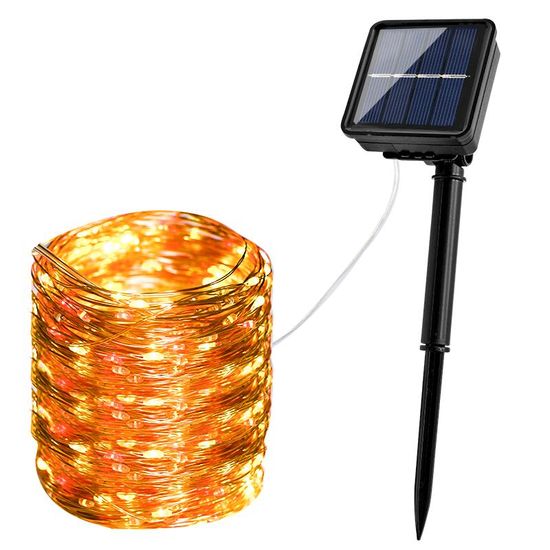


Selecting a high-quality solar strip light requires balancing energy efficiency, weather resistance, and brightness. Buyers should prioritize monocrystalline silicon solar panels over polycrystalline ones, as they offer a higher conversion rate (up to 22%), ensuring the battery charges even on cloudy days. For the strip itself, look for high-density LED chips (e.g., 60 LEDs/meter) to avoid 'spotty' lighting and ensure a seamless glow. Additionally, verify the IP rating (IP65 or IP67) to guarantee the product is fully waterproof and dustproof for outdoor longevity.
The heart of a solar strip light is its power system. Ensure the product uses Lithium Iron Phosphate (LiFePO4) batteries, which offer a longer lifespan (2,000+ cycles) compared to standard Li-ion batteries. A critical metric is the battery capacity vs. strip length ratio; for a 5-meter strip, a battery of at least 4400mAh is recommended to provide 8-12 hours of continuous illumination. Also, check for intelligent light control sensors that automatically trigger 'dusk-to-dawn' operation and overcharge/discharge protection circuits to prevent battery swelling.
To ensure market entry and safety, products must meet specific regional standards. For the European market, CE and RoHS certifications are mandatory to confirm electrical safety and the absence of hazardous substances. For the US market, FCC compliance for the remote controller and UL-listed components for the battery system are highly preferred. If the product is intended for extreme climates, request UV resistance test reports for the silicone or PVC casing to ensure it won't yellow or crack under intense sunlight.
Durability is determined by the encapsulation material; high-quality strips use food-grade silicone rather than cheap PVC, as silicone remains flexible in freezing temperatures and resists heat better. For installation, confirm the quality of the adhesive backing (e.g., 3M 9448A or VHB tape) to ensure it stays attached to rough outdoor surfaces. For B2B projects, look for cuttable designs (usually every 5-10cm) that allow for customization without voiding the warranty.
The main risk involves the transportation of lithium batteries, which are classified as Class 9 Dangerous Goods. You must ensure the supplier provides a valid UN38.3 test report and MSDS (Material Safety Data Sheet). Failure to provide these will lead to customs seizures or rejection by airlines. For sea freight, ensure the solar panels are packed with reinforced corner protectors and palletized to prevent micro-cracks caused by vibrations during transit.
When sourcing on Made-in-China.com, focus your negotiation on component transparency. Instead of just asking for a lower price, ask for the brand of the LED chips (e.g., San'an or Epistar) and the thickness of the PCB (2oz copper is ideal). Request a Golden Sample before mass production and stipulate that the mass-produced goods must match the sample's color temperature (CCT) consistency, with a tolerance of +/- 200K, to avoid mismatched lighting in large installations.
Always utilize the Secured Trading Service on Made-in-China.com to protect your payment. Do not settle the full balance until a third-party pre-shipment inspection (PSI) has been completed. This inspection should include a waterproof immersion test and a charging/discharging cycle test to verify the advertised battery capacity. Ensure the Incoterms (e.g., FOB or CIF) are clearly defined in the Proforma Invoice to avoid hidden local port charges.