
Satisfies 1 requirement
Rolling Shutter Door Spring Steel Garage Door Blue Spring Steel
US$1,450.00-1,500.00
1 Ton(MOQ)

I have found results from200000+products and80000+suppliers aboutSpring steels


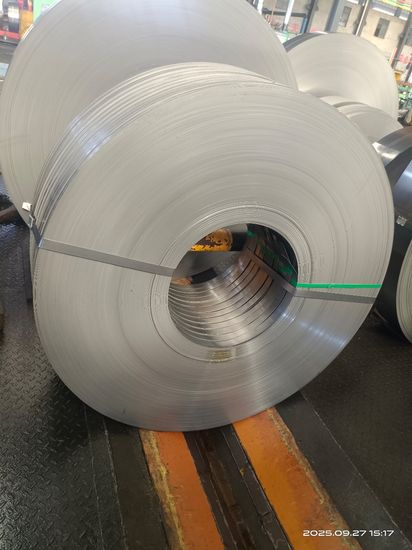
Selecting the correct grade depends on the required elastic limit, fatigue strength, and environmental conditions. For general mechanical springs, ASTM A228 (Music Wire) is ideal for high tension, while 60Si2Mn or 65Mn are cost-effective choices for large agricultural or automotive leaf springs. If the application involves high temperatures or corrosive environments, you must prioritize Stainless Steel grades like 301 or 316, or specialized Alloy Steels (e.g., 50CrVA) which offer superior heat resistance and toughness.
Buyers must ensure products adhere to international standards such as ASTM (American), DIN (German), or JIS (Japanese). Key parameters to verify include Hardness (HRC/HV), Tensile Strength (Rm), and Yield Strength. For global trade, ensure the supplier provides a Mill Test Certificate (MTC) according to EN 10204 3.1, which guarantees chemical composition and mechanical properties. Additionally, compliance with RoHS and REACH is mandatory for exports to the EU to ensure the absence of hazardous substances.
Quality validation should focus on surface integrity and decarburization layers. A thick decarburization layer significantly reduces fatigue life. Request metallographic analysis reports to check grain size and cleanliness (non-metallic inclusions). Perform a salt spray test if the steel is coated (e.g., galvanized or blackened) to verify corrosion resistance. For bulk orders, it is highly recommended to conduct a fatigue life test to ensure the steel can withstand the required number of compression/tension cycles without permanent deformation.
To maximize value, consider the Total Cost of Ownership (TCO) rather than just the price per ton. Purchasing in standard coil weights or sheet dimensions reduces processing waste. Leveraging bulk discounts is common; orders exceeding 5-10 tons often see price reductions of 10-15%. Additionally, choosing a supplier on Made-in-China.com that offers integrated heat treatment and surface finishing can significantly lower logistics and secondary processing costs.
The biggest risks are material substitution (lower grade steel) and rust during sea transit. To mitigate these, always use Third-Party Inspection services (like SGS or Intertek) to verify the chemical composition before shipment. Ensure the contract specifies seaworthy packaging, including VCI (Volatile Corrosion Inhibitor) paper, plastic film wrapping, and sturdy wooden pallets to prevent moisture damage during long-term ocean freight.
Negotiate for milestone-based payments, such as a 30% deposit and 70% balance against the Bill of Lading (B/L) and inspection report. Use Trade Assurance services provided by platforms like Made-in-China.com to protect your funds. Clearly define the claim period (e.g., 30-45 days after arrival) in the contract, allowing sufficient time for your technical team to conduct laboratory testing upon receipt of the goods.
Be aware of Anti-Dumping Duties (ADD) which some countries impose on specific steel products from China; always check your local customs tariff code (HS Code, typically starting with 7222 or 7228) before ordering. For shipping, FCL (Full Container Load) is the most economical and safest method for heavy steel products to prevent shifting. For smaller batches of high-value precision spring strips, LCL (Less than Container Load) with reinforced crating is advisable.