
Satisfies 1 requirement
Tubolar Membranes Filter Element Stainless Steel End Cap
US$350.00
1 Piece(MOQ)

I have found results from100000+products and30000+suppliers aboutStainless steel membrane filter


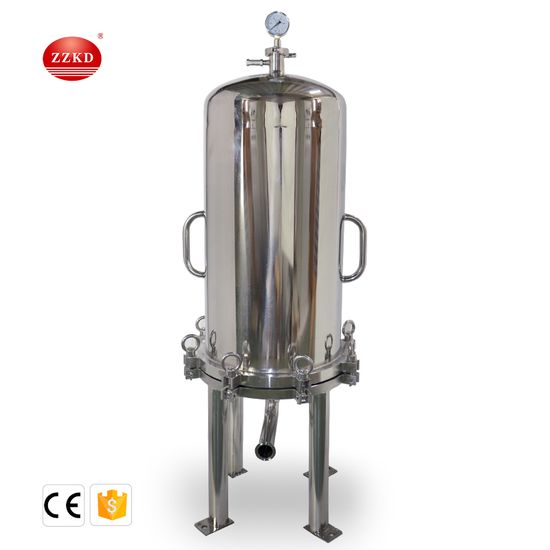


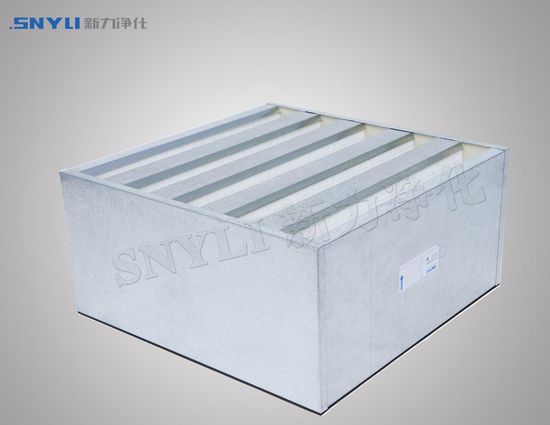


Buyers should prioritize AISI 316L stainless steel for the housing and support structures due to its superior corrosion resistance and ability to withstand high temperatures. The membrane itself should be evaluated based on pore size accuracy (ranging from 0.1μm to 100μm) and porosity levels, which directly impact flow rate and filtration efficiency. Ensure the filter media is sintered or pleated depending on whether you require high mechanical strength or a larger filtration surface area.
For food and beverage or pharmaceutical applications, the filter must meet FDA (Food and Drug Administration) and USP Class VI plastics/elastomer requirements for gaskets. In industrial settings, look for ASME Section VIII certification for pressure vessels and ISO 9001:2015 for manufacturing quality management. If used in the EU, CE-PED (Pressure Equipment Directive) compliance is mandatory to ensure safety under high-pressure operations.
Verify the connection types, such as Tri-clamp, Flange, or Threaded (NPT/BSP), to ensure a leak-proof fit. You must also match the Maximum Operating Pressure (PSIG) and Differential Pressure (ΔP) limits of the filter with your pump's specifications. Additionally, confirm that the O-ring materials (EPDM, Viton, or PTFE) are chemically compatible with the fluid being filtered to prevent seal degradation.
These filters are ideal for harsh environments where polymer membranes fail. Common scenarios include steam filtration (SIP processes), solvent recovery, high-viscosity liquid processing, and gas purification in semiconductor manufacturing. Their clean-in-place (CIP) and backwashing capabilities make them highly economical for long-term use in continuous production lines.
Always request a Material Test Report (MTR) or a Mill Test Certificate to verify the chemical composition of the steel. Utilize third-party inspection services (like SGS or Intertek) to perform a bubble point test or pressure integrity test before the final balance payment is made. Sourcing through reputable platforms like Made-in-China.com allows you to select Audited Suppliers who have undergone verified on-site factory inspections.
Focus on the Total Cost of Ownership (TCO) rather than just the unit price; a filter that lasts 50+ cleaning cycles is more valuable than a cheaper one that fails after ten. Negotiate for spare parts kits (gaskets and seals) to be included in the initial bulk order. For large-scale projects, request a staggered payment schedule (e.g., 30% deposit, 40% after production/testing, 30% after bill of lading) to maintain financial leverage.
Stainless steel filters, especially pleated versions, can be sensitive to impact. Ensure the supplier uses vacuum-sealed plastic packaging inside reinforced wooden crates (IPPC certified) to prevent oxidation and physical deformation during sea freight. For urgent replacements, air freight is recommended, but ensure the dimensions are optimized to avoid volumetric weight surcharges.
Use Trade Assurance or Escrow services provided by professional B2B platforms like Made-in-China.com to protect your funds until delivery is confirmed. Avoid direct wire transfers to private bank accounts. Ensure all technical specifications, lead times, and warranty terms (minimum 12-24 months) are clearly documented in a formal Proforma Invoice (PI) or Sales Contract.