
Satisfies 1 requirement
Easy Movement Fine Operation Comfortable Control Solid Structure Long Term Durability Mini Excavator
US$1,800.00-3,500.00
1 Piece(MOQ)

I have found results from200000+products and80000+suppliers aboutStructure excavator


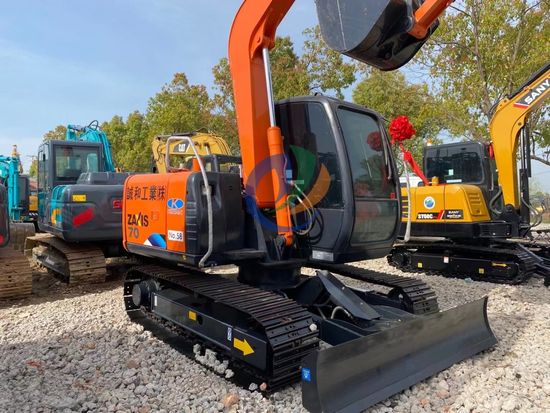


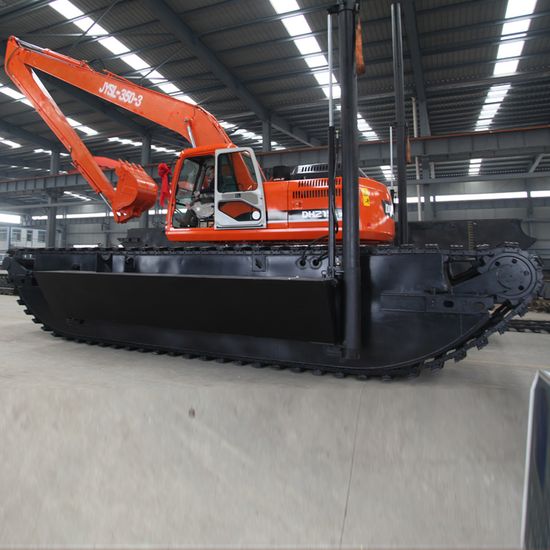

When selecting a structure excavator, you must prioritize the Operating Weight and Engine Power (kW/HP) to ensure it matches your project scale. Key components like the Main Pump (Hydraulic System) should ideally be from reputable brands like Kawasaki or Rexroth to ensure smooth movement. Additionally, verify the Bucket Capacity (m³) and Maximum Digging Depth, as these directly impact operational efficiency on construction sites.
For the US market, the engine must meet EPA Tier 4 Final emission standards, while the EU requires Stage V compliance and a CE Marking. Ensure the machine features ROPS (Roll-Over Protective Structure) and FOPS (Falling Object Protective Structure) certifications to meet international safety regulations for operator protection.
Examine the undercarriage reinforced steel grade and the thickness of the boom and arm plates. High-stress areas should feature forged or cast parts rather than simple welds. Request Non-Destructive Testing (NDT) reports for critical welds and verify the use of wear-resistant plates (e.g., Hardox) on bucket edges to extend the machine's service life in harsh environments.
Mini Excavators (1-6 tons) are ideal for urban landscaping and indoor renovation. Medium Excavators (7-25 tons) are the 'workhorses' for general construction and roadwork. Large Excavators (30+ tons) are specifically designed for heavy-duty mining, large-scale earthmoving, and major infrastructure projects. Choosing the correct size prevents excessive fuel consumption or insufficient breakout force.
Always hire a third-party inspection agency (such as SGS or Intertek) to conduct a pre-shipment inspection. They will verify the Serial Number (VIN), test hydraulic pressures, and ensure the engine matches the specified emission tier. For secure sourcing, utilize platforms like Made-in-China.com, which offer Secured Trading services to protect your payment until the goods are verified.
Do not just negotiate on the unit price; focus on the Total Cost of Ownership (TCO). Negotiate for a comprehensive spare parts package (filters, seals, and hoses) for the first 2,000 hours of operation. Request an extended powertrain warranty (e.g., 2 years or 3,000 hours) and clarify the availability of technical support and English-language service manuals.
Heavy machinery is typically shipped via Ro-Ro (Roll-on/Roll-off) or Flat Rack containers. Ensure the supplier applies an anti-corrosion wax coating to the machine to prevent saltwater damage during sea transit. Confirm that the Incoterms (e.g., CIF vs. FOB) are clearly defined in the contract, and ensure the Bill of Lading accurately reflects the machine's weight and dimensions to avoid port surcharges.
Use Letter of Credit (L/C) for large orders to ensure payment is only released upon presentation of valid shipping documents. If using T/T, never pay 100% upfront; a 30% deposit and 70% balance against the BL copy is standard. Always verify the supplier's Business License and Export Qualifications on Made-in-China.com to ensure they are a legitimate manufacturer or authorized dealer.