
Satisfies 1 requirement
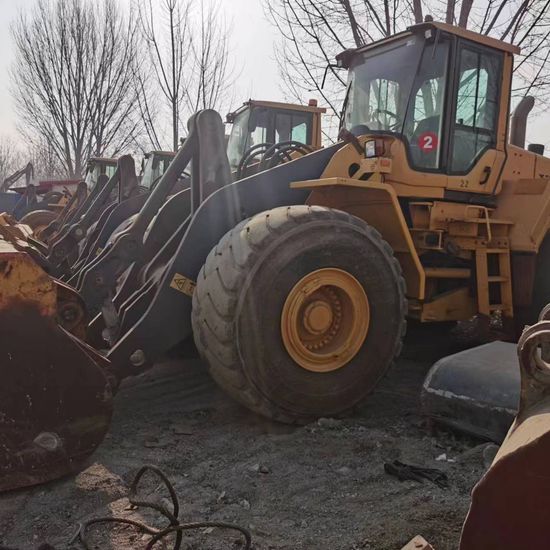
Wheel Front Loader 16t Large Telescopic Wheel Loader Volvo L150h Front Loader for Sale
US$45,000.00-75,000.00
1 Piece(MOQ)

I have found results from60000+products and20000+suppliers aboutVolvo loaders




When selecting a loader, you must prioritize the Engine Power (kW/hp) and Operating Weight to ensure the machine meets your site requirements. For Volvo models, pay close attention to the Bucket Capacity (m³) and Static Tipping Load, as these directly impact productivity. Ensure the unit features the Volvo OptiShift technology and Reverse By Braking (RBB) function, which can improve fuel efficiency by up to 15%. Additionally, verify the Hydraulic System pressure and cycle times to guarantee high-speed operation in demanding environments.
For heavy machinery, compliance is non-negotiable. Ensure the loader meets EPA Tier 4 Final (U.S.) or EU Stage V emission standards if shipping to regulated markets. The machine must have a CE Marking for the European Economic Area. Safety certifications such as ROPS (Roll-Over Protective Structure) and FOPS (Falling Object Protective Structure) according to ISO 3471 and ISO 3449 are mandatory to ensure operator safety and legal entry into most developed countries.
Request the Product Identification Number (PIN) or Serial Number and verify it through official databases to confirm the year of manufacture. Ask for the MATRIS (Machine Tracking Information System) report, which provides a detailed analysis of the machine's history, including engine load, fuel consumption, and operator behavior. For refurbished units, ensure that Genuine Volvo Parts were used for critical components like the transmission and axles, and request a third-party inspection report covering hydraulic cylinder leaks and structural weld integrity.
The most significant risks include hidden mechanical defects and non-compliance with local emission laws, which can lead to customs seizure. To mitigate this, use Made-in-China.com's Secured Trading services to ensure funds are only released after successful third-party pre-shipment inspection. Be wary of prices that are 20% below market average, as these often indicate salvaged machines or fraudulent listings.
Due to the size and weight, loaders are typically shipped via Ro-Ro (Roll-on/Roll-off) or Flat Rack containers. Ensure the supplier provides a detailed lashing and securing plan to prevent movement during transit. Confirm who is responsible for Export Customs Clearance and ensure the Bill of Lading accurately reflects the machine's weight and dimensions to avoid heavy surcharges at the destination port.
Focus your negotiation on the Total Cost of Ownership (TCO) rather than just the sticker price. Negotiate for a spare parts package (filters, seals, and wear parts for the first 2,000 hours) to be included in the deal. For bulk orders of 3 or more units, aim for a 5-8% volume discount or an extended powertrain warranty of at least 12 months to protect your investment.