
Satisfies 1 requirement
Inflatable Stand Sup with Pedal Sup Water Bikes 1 2 3 Person Water Bike Sup with Pedal Drive Hydrofoil Bikes
US$610.00
1 Piece(MOQ)

I have found results from100000+products and40000+suppliers aboutWater bike price


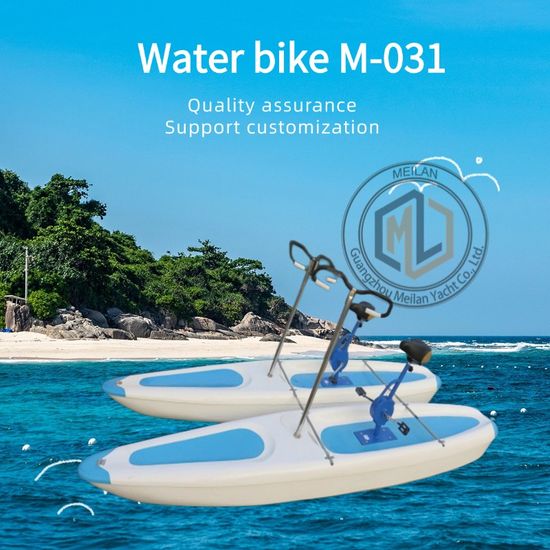


When sourcing water bikes, the frame material is the most critical factor for longevity. Prioritize 6061-T6 aluminum alloy or marine-grade stainless steel with anodic oxidation treatment to prevent corrosion in saltwater environments. For the buoyancy system, ensure the pontoons are made of High-Density Polyethylene (HDPE) or drop-stitch PVC, which offer superior puncture resistance and UV stability. Additionally, check the drive system; high-end models should feature a spiral propeller or pedal-driven chain system with a sealed gearbox to prevent water ingress and reduce maintenance frequency.
Compliance is non-negotiable for commercial watercraft. Ensure the products carry the CE Certification (EN ISO 12217) for stability and buoyancy assessment. For the US market, verify alignment with U.S. Coast Guard (USCG) standards. It is also essential to request load-bearing test reports; a standard commercial water bike should support a minimum weight capacity of 120kg to 150kg per rider to ensure safety across diverse user demographics.
To maximize ROI, analyze the Total Cost of Ownership (TCO) rather than just the unit price. While a lower price point may be attractive, maintenance-free drive systems and anti-corrosion coatings save significant costs in the long run. Seek suppliers on Made-in-China.com that offer tiered pricing, where bulk orders of 10+ units can often yield discounts of 15-25%. Additionally, consider SKD (Semi-Knocked Down) packaging to reduce shipping volume and lower international freight costs by up to 40%.
For tourist resorts and rental businesses, prioritize stability and ease of use with wide-track pontoons. For fitness and competitive sports, look for models with adjustable resistance levels and ergonomic seating. If the target market involves eco-tourism, ensure the propulsion system is 100% manual or electric-assist with zero emissions to comply with local environmental regulations in protected water zones.
The main risks include shipping damage and quality inconsistency. To mitigate these, always use Trade Assurance services and mandate a Pre-Shipment Inspection (PSI) by a third party like SGS or Intertek. Ensure the contract specifies heavy-duty plywood crate packaging to protect the HDPE pontoons from deformation during long-transit sea freight.
Focus negotiations on warranty extensions and spare parts kits. Request a 2-year warranty on the frame and a 1-year warranty on the drive system. Negotiate for a 2% - 5% inclusion of wear-and-tear parts (such as pedals, chains, and propeller blades) at no extra cost to ensure immediate repair capability for your end-users.
Water bikes are high-volume goods. Use FOB (Free On Board) terms to maintain control over your shipping costs and choose a freight forwarder experienced in Oversized Cargo. For large orders, Full Container Load (FCL) is significantly safer and more cost-effective than LCL, as it reduces the risk of puncture or pressure damage from other shippers' goods.
Conduct thorough due diligence on Made-in-China.com by checking the supplier's Audit Reports and Business License. Verify if the manufacturer has ISO 9001 certification. Always conduct payments through secure platform channels and avoid direct transfers to private accounts to ensure your capital is protected under international trade laws.