SourcingAI

Mesh hardware cloth manufacturers

I have found results from400+products and200+suppliers aboutMesh hardware cloth

Sourcing guidance for Mesh Hardware Cloth

What are the key technical specifications to consider when selecting Mesh Hardware Cloth?

When sourcing mesh hardware cloth, the most critical factors are wire gauge (thickness) and mesh size (opening). For heavy-duty applications like pest control or fencing, a 19-gauge wire is standard, while lighter tasks may use 23-gauge. Ensure the galvanization process is specified; Galvanized After Weld (GAW) is superior to Galvanized Before Weld (GBW) as it covers the welding points, significantly increasing rust resistance and lifespan in outdoor environments.

Which material grades and coatings are best for different usage scenarios?

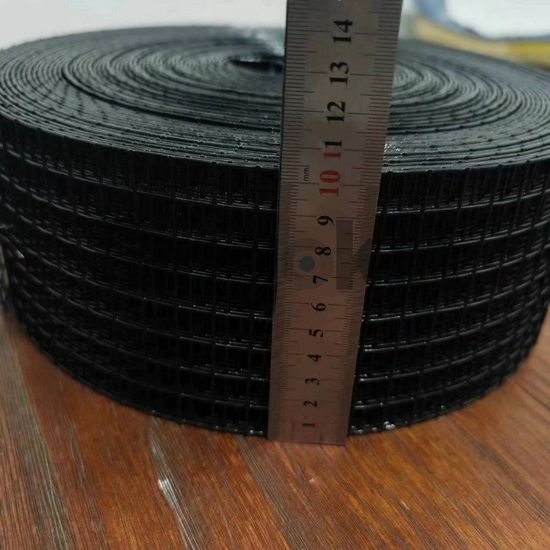
For standard agricultural use, Hot-Dipped Galvanized Steel offers the best balance of cost and durability. If the product will be used in coastal areas or high-moisture environments, 304 or 316 Stainless Steel is recommended to prevent corrosion. For aesthetic purposes or additional protection, PVC-coated hardware cloth (usually in black or green) provides an extra layer of UV protection and weatherproofing.

What compliance standards should B2B buyers verify for international trade?

Buyers should ensure the product meets ASTM A740 standards, which specifically cover the specifications for hardware cloth. For European markets, compliance with EN 10223-4 for steel wire and products is essential. Additionally, verify that the supplier holds ISO 9001 certification to ensure consistent manufacturing quality and RoHS compliance if the mesh is PVC-coated to ensure no hazardous substances are present.

How can I evaluate the structural integrity and quality of the mesh?

Request a tensile strength report to ensure the wire can withstand the required pressure. Check for welding consistency; weak welds lead to unraveling. A high-quality mesh should have uniform square openings and straight edges. For bulk orders, it is advisable to request a salt spray test report to validate the anti-corrosion claims of the galvanization.

Cross-Border Procurement Strategy for Mesh Hardware Cloth

How can I mitigate quality risks when purchasing from overseas suppliers?

Always utilize third-party inspection services (such as SGS or Intertek) to conduct a Pre-Shipment Inspection (PSI). Focus on verifying the zinc coating thickness (measured in g/m²) and the actual wire diameter using a micrometer, as 'under-gauging' is a common risk in low-cost sourcing. Using platforms like Made-in-China.com allows you to select Audited Suppliers who have undergone verified on-site checks.

What are the best practices for negotiating pricing and MOQs with hardware manufacturers?

Hardware cloth is a commodity sensitive to raw steel prices. Negotiate based on the current market price of steel and seek volume-based discounts (typically 10-20% for full container loads). If you are a new buyer, propose a staged MOQ where the first trial order is smaller, but commit to a larger annual volume to secure Tier-1 pricing.

What logistics and packaging precautions should be taken for heavy wire mesh rolls?

Mesh hardware cloth is heavy and prone to deformation. Insist on waterproof Kraft paper wrapping and plastic film stretch-wrap for each roll. For sea freight, rolls should be secured on fumigated wooden pallets with reinforced steel strapping to prevent shifting. Ensure the Incoterms (e.g., FOB or CIF) are clearly defined in the contract to establish who bears the risk during transit.

How can I ensure transaction security and payment safety?

Use Secured Payment services provided by reputable B2B platforms like Made-in-China.com to ensure funds are only released after the bill of lading is confirmed. Avoid direct wire transfers to unknown accounts. For large-scale industrial orders, consider using a Letter of Credit (L/C) to protect both parties against non-performance or non-payment.

Related queries