
Satisfies 1 requirement
Used Cat 320d2 Crawler Excavator Cat 320, 330, 336, 395 Crawler Excavators
US$23,000.00-24,000.00
1 unit(MOQ)

I have found results from30000+products and10000+suppliers about336 excavator


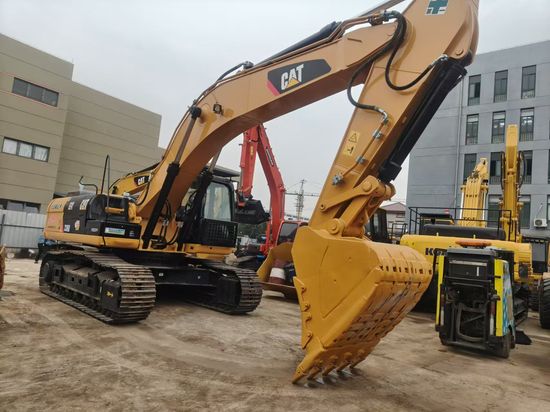


When sourcing a 336-class excavator, you must prioritize the engine power (typically 200-230 kW) and operating weight (approx. 36,000 - 38,000 kg). Ensure the hydraulic system features high-flow pumps and electronic control valves for fuel efficiency. Check the bucket capacity, which should ideally range between 1.5 to 2.1 m³ depending on your specific material density requirements.
For global trade, the machine must meet ISO 9247 for earth-moving machinery safety. If exporting to the US, EPA Tier 4 Final emission standards are required; for the EU, Stage V compliance is necessary. Ensure the cabin is ROPS (Roll-Over Protective Structure) and FOPS (Falling Object Protective Structure) certified to meet international site safety regulations.
Request documentation on the steel grade used for the boom and arm—high-tensile steel is a must. Verify the use of reinforced undercarriage components, such as heavy-duty track links and rollers. Ask for ultrasonic weld inspection reports and ensure the hydraulic cylinders are equipped with high-pressure seals to prevent leaks during intensive 24/7 operations.
Look for suppliers offering integrated telematics systems (GPS tracking, fuel monitoring, and fault code diagnostics). Advanced units should support 2D or 3D grade control systems to improve excavation accuracy. Compatibility with remote monitoring software is essential for fleet managers to optimize maintenance schedules and reduce downtime.
The biggest risks include hidden mechanical defects and non-compliance with local emission laws. To mitigate this, always hire a third-party inspection service (like SGS or Intertek) to perform a pre-shipment inspection. Ensure the VIN (Vehicle Identification Number) matches all export documentation to avoid customs seizures.
Avoid 100% upfront payments. Use a Letter of Credit (L/C) or secure payment services provided by reputable platforms like Made-in-China.com to ensure funds are only released upon verification of shipping documents. Negotiate a retention fund (typically 5-10%) to be paid only after the machine is commissioned and tested on-site.
Due to its size, Ro-Ro (Roll-on/Roll-off) shipping is often the safest and most efficient method. If the machine can be partially disassembled, Flat Rack containers may be used. Always clarify the Incoterms; CIF (Cost, Insurance, and Freight) is common, but FOB (Free On Board) gives the buyer more control over the logistics costs and insurance coverage.
Confirm the availability of wear parts (teeth, filters, seals) in your local market. Negotiate a spare parts package to be included in the initial shipment. Prioritize suppliers on Made-in-China.com who offer online technical support and have a clear warranty claim procedure involving local service partners or video-guided repair protocols.